Strong food hubs don’t just provide a marketplace, they build systems that help producers succeed over time. From onboarding and technical support to ongoing data-driven conversations, the way a food hub works with producers can make a meaningful difference in sales, sustainability, and farmer confidence.
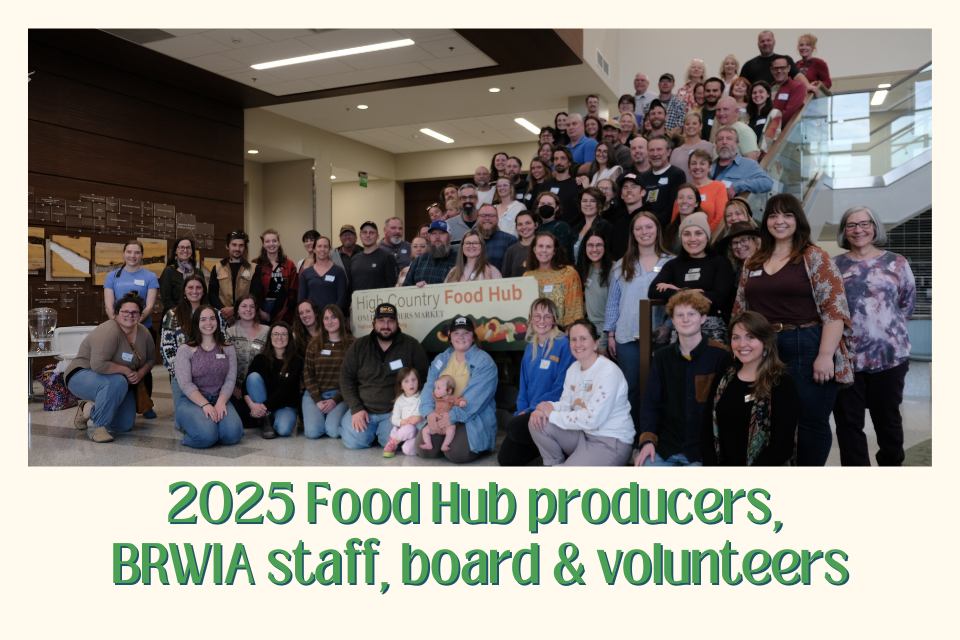
High Country Food Hub is a community-based food hub that helps local producers sell their goods and grow their businesses through coordinated marketing, sales support, and shared resources. With more than 100 producers participating in their market, High Country has developed a thoughtful, producer-centered approach that balances autonomy with hands-on guidance — and it’s one they’ll be sharing in depth in our upcoming webinar, “How Food Hubs Work With Producers: Onboarding, Support, Success.”
Here’s a look at how their process works, and how the right platform makes that process scalable.
Curious to learn more? Join our upcoming live event with High Country Food Hub!
Save Your Spot!A Producer-Led Marketplace, With the Right Infrastructure Behind It
At High Country, producers manage their own products, pricing, and inventory through LFM Connect. That autonomy is intentional.
“LFM Connect gives our producers autonomy over their products, pricing, and inventory management,” Laney shares. “After an in-depth onboarding process, most of our producers manage their products and availability independently.”
That independence significantly reduces administrative back-and-forth. Without it?
“We would likely have to have a staff person solely dedicated to inventory management without LFM.”
Instead of manually updating listings or coordinating availability across 100+ producers, High Country’s team can focus on strategy, support, and growth:
- helping producers understand how the market is performing
- identifying opportunities based on real sales data
- supporting better decision-making over time
This balance allows producers to stay in control of their businesses while still benefiting from meaningful guidance.
It’s important to note that this hands-off approach to pricing is closely tied to High Country’s direct-to-consumer model. Because producers are selling directly to end customers, maintaining control over pricing and product offerings aligns with that market structure. In a wholesale-focused hub serving institutional buyers or aggregating for larger accounts, pricing guidance or coordination may play a much larger role.
We would likely have to have a staff person solely dedicated to inventory management without LFM.
– Laney Baker, High Country Food Hub
Onboarding That Sets Producers Up for Success
One of the most important investments High Country makes is time spent onboarding producers, especially when it comes to technology.
Rather than simply handing over login credentials and hoping for the best, the team walks producers through:
- how to use the online platform
- what different tools and reports mean
- common terminology (like pick tickets, approvals, and listings)
- how their actions connect to the bigger picture of the market
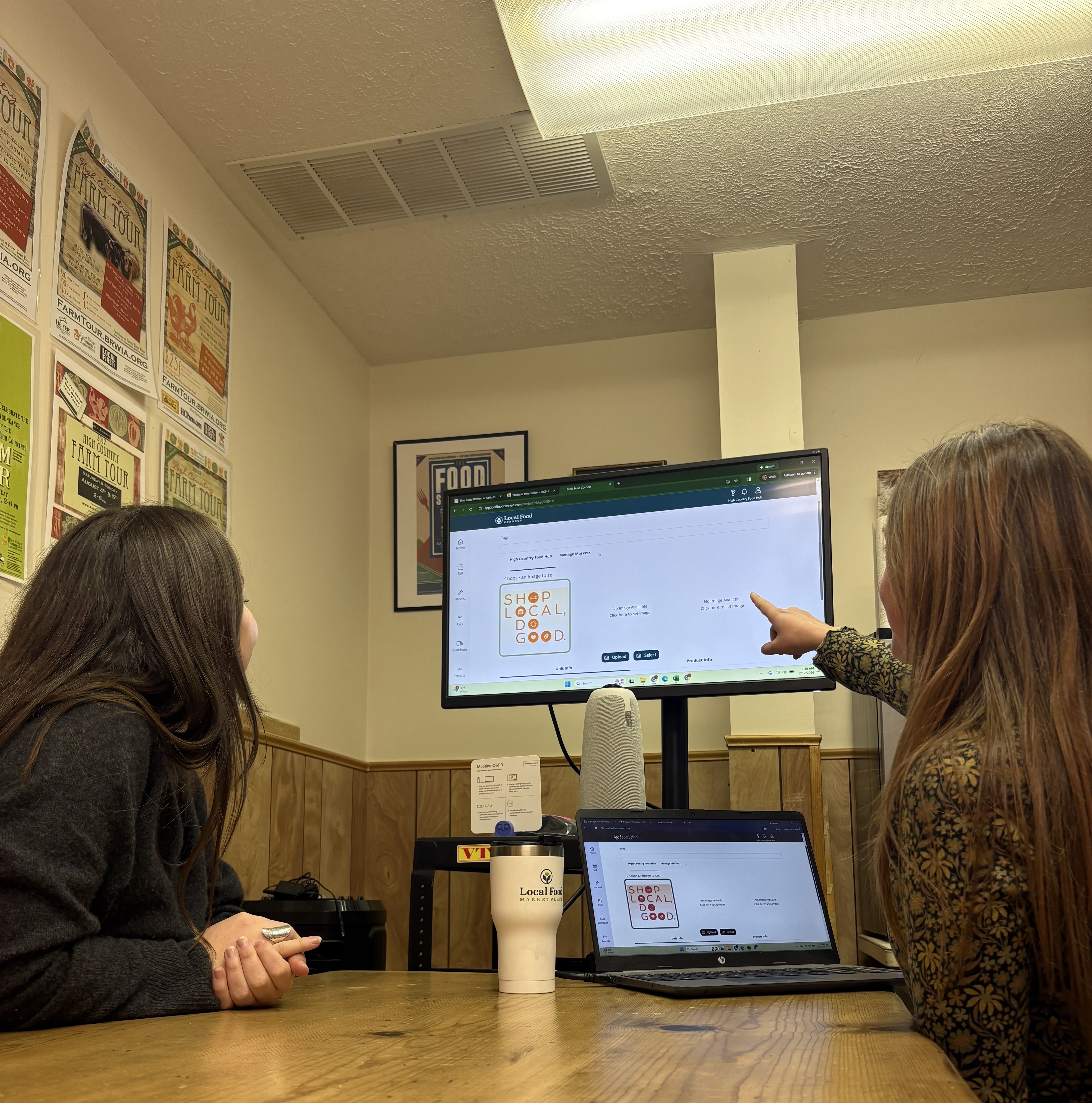
LFM makes onboarding smooth by allowing food hubs to log directly into a producer’s Connect account. “During a new producer’s onboarding meeting, we are able to log in to that producer’s Connect account and walk through every situation they may encounter while using the software,” Laney explains. “The product type breakdown is such a helpful tool for walking producers through setting up their products. We usually walk all the way through setting up multiple products with different product types (if applicable) to ensure a new producer has a well rounded understanding of connect’s capabilities.”
This hands-on approach helps reduce confusion, builds confidence early on, and prevents issues down the line.
Having someone sit down with you and explain what everything means — especially the language — makes all the difference.
– Laney Baker, High Country Food Hub
Using Sales Data to Guide Smarter Decisions
High Country’s producer support doesn’t stop after onboarding. Each year, they hold optional 1:1 meetings with established producers to review performance and plan for the year ahead.
Those conversations rely heavily on LFM reporting tools, including:
- Sales by Month reports
- Listed vs. Sold reports
- Overall Sales reports
- Sales by Producer by Product reports
These reports help producers move from guesswork to informed decision-making.
For example, if a producer offers salad mix into July while competitors stop in mid-June due to heat, High Country can identify that opportunity through monthly sales reports and recommend leaning into that market gap.
Listed vs. Sold reports are particularly powerful.
“If a pork producer comes back from their processor with equal amounts of thick-cut and medium-cut pork chops, but their sold percentage for the thick cut is much higher, I may recommend they request more of that cut from their processor.”
This kind of feedback directly impacts production planning, processing decisions, and revenue. Instead of guessing, producers can make decisions informed by real numbers.
Beyond production planning and marketing insights, LFM’s reporting also supports traceability. Producers can see exactly where their products were sold (which customers purchased them and through which orders). While this visibility helps inform crop planning and targeted marketing, it also supports food safety documentation and traceability requirements that many producers must maintain as part of their food safety plans.
Listed versus sold is huge. Farmers really want to know what they’re putting energy into that isn’t working for their business.
– Laney Baker, High Country Food Hub
Curious to learn more? Join our upcoming live event with High Country Food Hub!
Save Your Spot!Coordinating Supply and Fulfillment at Scale
With over 100 producers, operational efficiency matters.
High Country relies on LFM to streamline fulfillment through:
- Divided packing slips by customer and storage location
- Customer invoices printed with color codes for each storage location
- Organized product sorting by individual customer
From check-in to pickup, the system reduces friction.
“Our operations were shaped around LFM’s reporting abilities,” Laney says. “The software’s ability to create reports doesn’t just make the Food Hub operate more smoothly, it makes operating possible.”
Without structured reporting and automated documentation, these workflows would become manual and significantly more time-consuming.
Our operations were shaped around LFM’s reporting abilities, the software’s ability to create reports doesn’t just make the Food Hub operate more smoothly, it makes operating possible.
– Laney Baker, High Country Food Hub
Streamlining Communication With Producers
Another frequently used feature? The Export Producers tool.
During onboarding season, High Country sees fluctuations in their producer list. Being able to quickly export up-to-date contact information allows the team to efficiently communicate about programs, updates, and seasonal changes.
“We do lots of communication about all of our programs with that list of producers and the ability to export the most up to date contact information for all of our producers so quickly is so great! There are so many small features in LFM like that. You can really tell that time and feedback from the people using this software has been implemented!”
These small efficiencies add up, especially at scale.
Balancing Autonomy With Oversight
One of the biggest challenges food hubs face is balancing producer independence with operational oversight.
LFM makes that balance possible.
Producers control:
- Pricing
- Inventory
- Product descriptions
- Photos
- Units and weights
At the same time, the hub maintains:
- Approval workflows
- Reporting visibility
- Quality checks at drop-off
- Sales performance insights
This structure allows High Country to remain producer-led without sacrificing consistency or operational integrity.
Why High Country Continues to Use LFM
When asked why they continue using LFM, Laney’s answer is simple:
“We use LFM for so many reasons, but their team, customer support, and willingness to implement feedback has kept us coming back.”
The platform isn’t just a tool, it’s infrastructure that supports their model.
Learn More in the Live Webinar “How Food Hubs Work With Producers: Onboarding, Support, Success”
This blog offers a snapshot of how High Country Food Hub works with producers, and how LFM supports that process every step of the way.
Hear more in our upcoming live webinar, Laney will walk through:
- their producer onboarding process
- how they use data and reporting to guide decisions
- how they support producers without controlling their businesses
- lessons learned from working with a large, diverse producer network
Register for the live event: How Food Hubs Work With Producers: Onboarding, Support, Success. Join us to get practical, real-world insights you can apply to your own food hub or marketplace.
Curious to learn more? Join our upcoming live event with High Country Food Hub!
Save Your Spot!Frequently Asked Questions
How do food hubs work with producers?
Food hubs work with producers by providing a centralized marketplace, coordinating sales and logistics, and offering varying levels of onboarding, technical support, and market guidance. While many food hubs allow producers to manage their own pricing and inventory, successful hubs also use sales data, reporting, and one-on-one support to help producers make informed decisions and grow over time.
What does producer onboarding look like at a food hub?
Producer onboarding often includes training on how to use the online marketplace, understanding order workflows, learning key terminology, and setting up products correctly. At High Country Food Hub, onboarding is hands-on and flexible — ranging from short check-ins to longer working sessions — ensuring producers feel confident using the platform and participating in the market.
How do food hubs support producers beyond onboarding?
Ongoing producer support can include reviewing sales data, identifying seasonal trends, coordinating supply to match demand, and providing feedback on product listings and marketing. High Country Food Hub regularly meets with producers to review what’s selling, what isn’t, and where there may be opportunities for growth.
How do food hubs use sales data to help producers succeed?
Sales data helps food hubs and producers understand demand patterns, product performance, and market saturation. Metrics like sales by month and products listed versus sold allow producers to focus their time and resources on items that are most likely to succeed, rather than relying on guesswork.
Why do some food hubs allow multiple producers to sell the same product?
Allowing multiple producers to sell similar products increases choice for customers and supports farmer autonomy. At the same time, food hubs can use data and market insights to help producers identify gaps or avoid over-saturation, creating a healthier marketplace overall.
Can food hubs help producers meet packaging and customer expectations?
Yes. Many food hubs play an important role in helping producers understand packaging requirements, labeling standards, and customer expectations, especially in online marketplaces where presentation and consistency matter.
At High Country Food Hub, product listings inside the platform (including units, weights, descriptions, and photos) help set clear expectations for what customers are purchasing and what producers need to deliver. During onboarding and ongoing check-ins, hubs can guide producers on how to package products appropriately for pickup, storage, and fulfillment workflows, ensuring accuracy and maintaining quality standards across the market.
Who should attend the webinar?
This webinar is ideal for food hub operators, market managers, local food organizations, and anyone involved in supporting producers through online or hybrid marketplaces. Producers themselves may also find value in understanding how food hubs approach onboarding, support, and long-term success.
Will the webinar go deeper than this blog post?
Yes. While this post provides an overview of how High Country Food Hub works with producers, the webinar will dive deeper into real-world examples, lessons learned, and practical strategies — with plenty of time for live Q&A.
Register for the webinar: How Food Hubs Work With Producers: Onboarding, Support, Success to hear directly from Laney Baker and join the conversation.